The gluten-free diet has become more and more popular in recent years, and an increasing number of people are choosing gluten-free substitutes to satisfy their dietary requirements. Nonetheless, there is still some doubt alike Does salt have gluten?
Add-ons such as sea salt, chili powder, paprika, onion, garlic, and cayenne pepper are usually free of gluten. These spices are suitable to include in a gluten-free diet because they should only have one ingredient listed. People who have celiac disease or gluten sensitivity should still use caution and examine labels to be sure there isn’t any hidden gluten or cross-contamination.
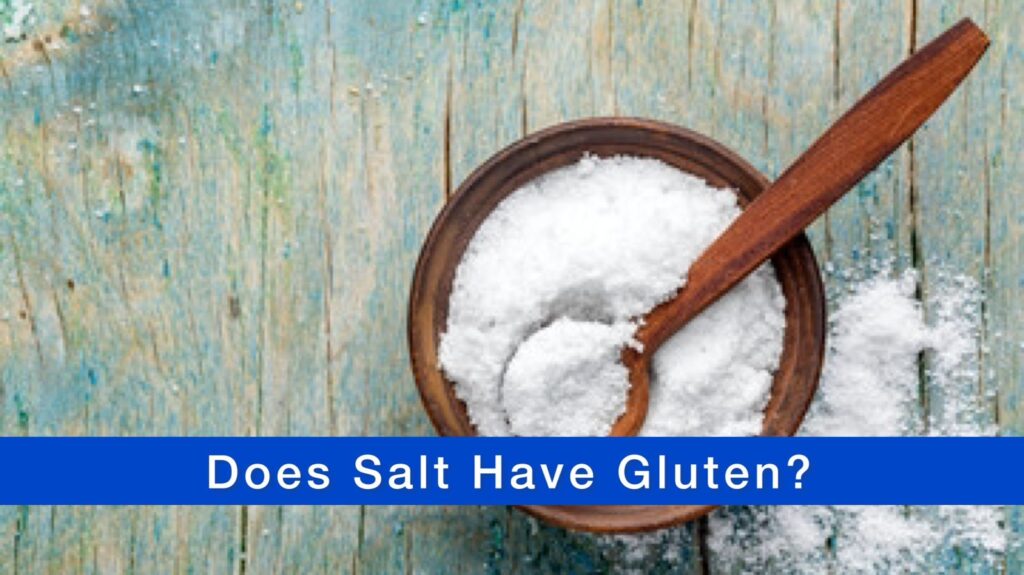
Now let’s tackle the important query: Does salt have gluten?

Does Salt Have Gluten?
No. Usually, salt doesn’t include gluten, but you should be aware of the other substances in spices and seasonings.
Of the constituents of iodized salt, salt is by far the most important. Usually, sea salt or subterranean salt deposits are the sources of the salt required to make iodized salt. The essential component of salt, sodium chloride, is abundantly available from these sources.
The salt is refined to get rid of minerals and impurities before it gets to our tables, making the finished product cleaner and more uniform. There are several processes in this refining process, including washing, grinding, and dissolving the salt crystals. These rigorous methods also remove all possible gluten-containing contaminants, leaving just pure, gluten-free salt.
After learning the answer to “Does salt have gluten?”, let’s discuss some information about salt.
What is Iodized salt?
Iodine, a necessary mineral for thyroid function and general health, has been added to conventional table salt to create iodized salt. Hormone imbalances in adults and delayed brain development in youngsters are only two of the health problems that can result from iodine shortage.

Production Process of Iodized Salt
It’s important to understand the iodized salt’s production method before delving into its gluten content. We can ascertain the possibility of gluten contamination more accurately if we comprehend the process used to make iodized salt.
How is Iodized salt made?
Iodization is the usual method used to create iodized salt. Iodine is added to the salt grains during this procedure, guaranteeing that each crystal has a trace amount of the necessary mineral. After that, the iodized salt is well combined to ensure that the iodine is dispersed equally throughout the salt.
Finding raw salt is the first step in the manufacturing of iodized salt. Seawater, salt pans, and subterranean salt mines are a few places where salt can be found. The distinct qualities of each source can have an impact on the final iodized salt product’s quality and flavor.
After being extracted, the raw salt is purified to get rid of contaminants like soil, trash, and other minerals. The iodized salt is made to be of the highest quality and safe for ingestion through this purification procedure.
To achieve a uniform texture, the salt is crushed into smaller grains after purification. Depending on the final product that is wanted, the salt grains might have different sizes. While bigger grains are frequently used as a finishing salt for extra texture and flavor, fine-grained iodized salt is frequently used for cooking and baking.
The salt granules are then mixed with iodine. Potassium iodide or potassium iodate are the common forms of iodine utilized in the iodization process. To guarantee the correct amount of iodine per gram of salt, these substances are precisely measured and added to the salt.
After the iodine is added, the salt is well combined to ensure that the iodine is equally distributed throughout the mixture. This mixing procedure guarantees that the amount of iodine in each salt crystal is constant, offering a dependable supply of this necessary mineral.
The iodized salt is properly packaged to preserve its freshness and stop moisture absorption after the iodization process. To maintain the iodine content and stop contamination from outside sources, proper packaging is essential.
It is noteworthy that strict regulations are in place to assure the safety and quality of the iodized salt production process. Manufacturers who wish to ensure that their iodized salt satisfies the requirements for consumption must follow stringent norms and standards established by regulatory authorities.
To sum up, the steps involved in making iodized salt are obtaining raw salt, cleaning it, grinding it into grains, mixing it well, adding iodine, and packing it. Through careful processing, a constant amount of iodine is added to each grain of iodized salt, giving users a dependable source of this vital mineral.
Possibility of Gluten Intake

As salt is the main ingredient of iodized salt, there is very little chance of gluten getting into the product as it is being made. It is important to remember, nevertheless, that trustworthy salt producers follow strict guidelines to avoid cross-contamination. They know how important it is to accommodate people who have celiac disease or gluten sensitivity.
Strict quality control procedures are used by these producers to guarantee that there are no gluten-related contaminants in their iodized salt. To reduce the chance of cross-contact, they use specialized production lines and equipment just for gluten-free food. Furthermore, testing is done on a regular basis to confirm that their iodized salt is gluten-free.
In order to maintain a gluten-free environment, the facilities where iodized salt is made go through stringent cleaning procedures. Thorough sanitation of utensils, equipment, and storage facilities is part of these cleaning procedures to avoid any possible gluten contamination.
It’s crucial to remember that people with celiac disease or gluten sensitivity can safely use iodized salt from reliable producers since they put their customers’ health and safety first. By adhering to stringent regulations and upholding elevated benchmarks, these producers guarantee that their iodized salt consistently functions as a dependable and gluten-free choice for everybody.
Gluten-Free Alternatives to Iodized Salt
Iodized salt has various gluten-free substitutes on the market for people who would rather not even come into contact with gluten. Let’s investigate a few of these choices.
Sea Salt and Its Properties
Sea salt has a different flavor and texture from conventional table salt since it is made from evaporated seawater. Although sea salt is not iodized, it does naturally contain traces of iodine. However the amount of iodine varies greatly from source to source, so pick reliable brands that do iodine testing on a regular basis.
Sea salt has several important minerals, including magnesium, calcium, and potassium, in addition to iodine. These minerals are essential for supporting general health and preserving healthy bodily processes. Furthermore, sea salt is renowned for having a rougher texture, which gives food a delicious crunch.
Be aware of the flavor that sea salt adds when substituting iodized salt for a gluten-free one. It is a favorite among chefs and culinary fans alike because of its unique flavor, which can enhance the flavors of many different meals. Sea salt improves the flavor of anything you cook, from flavoring a hearty stew to sprinkling it over freshly baked bread.
How to Maintain a Gluten-Free Diet
It’s important to create and stick to a gluten-free diet, regardless of whether you choose to continue using iodized salt or look for gluten-free substitutes. These useful hints will guide you through the world of gluten-free living.
Here is a list of gluten-free spices.
Companies That Have High Quality Gluten-free Spices

These are the main spice companies that have been certified gluten-free. That being said, there are other gluten-free spice alternatives available.
- Magic Seasonings
- McCormick
- The Spice Hunter
- Spicely Organic Spices
Reading Food Labels for Gluten
It’s critical to carefully read product labels while grocery shopping to look for any ingredients that may contain gluten. Learn about typical sources of gluten, like wheat, barley, and rye, and choose goods that are labeled as gluten-free.
Tips for Gluten-Free Shopping and Cooking
It can be enjoyable and interesting to research and try out gluten-free cooking. To find delectable gluten-free options that meet your dietary requirements and preferences, look for gluten-free culinary materials, participate in online groups, and consult with medical specialists and nutritionists.

Hopefully, now you know the answer to “Does salt have gluten?”. Knowing what gluten is in different foods is important since the market for gluten-free products is growing. The possibility of gluten contamination in iodized salt is negligible because of strict manufacturing procedures. However, using gluten-free substitutes like sea salt and Himalayan pink salt can help assure a safe and delightful culinary experience for people with severe gluten intolerance or celiac disease. Always seek advice from medical specialists or qualified dietitians when in doubt to make well-informed decisions on your diet and overall health.
Also read:
Is Beef Chow Fun Gluten-free? Make Gluten-free Beef Chow Fun
Does Bratwurst Have gluten?- 3 Best Gluten-free Sausage Brands