Today, we’ll answer this question: does pakoras have gluten? This post will also have a delicious easy-to-make gluten-free pakora recipe. The best part about Indian food is that most of them are gluten-free. Foods with gluten can easily be made gluten-free with slight variations. So, does pakora have gluten? Let’s find out.

Does Pakora Have Gluten?
No, pakoras have gluten.
Well, this is a good news for those who enjoy pakoras. Typically, pakoras are gluten-free. Gram flour, also known as chickpea flour, is used to make them historically and is naturally gluten-free. However, you must always ask your server if they are made the old-fashioned way before placing an order.
But if you buy from your local grocery shop, there’s a possibility they’ll use a less expensive substitute like wheat flour in place of gram flour. The pakora will no longer be gluten-free if this is the case. This is why, whether you believe something to be gluten-free or not, it’s always advisable to read the ingredients list.
Now that you know the answer to “does pakora have gluten?”, let’s find the ingredients used to make this delicious Indian food.
What Are Pakoras?
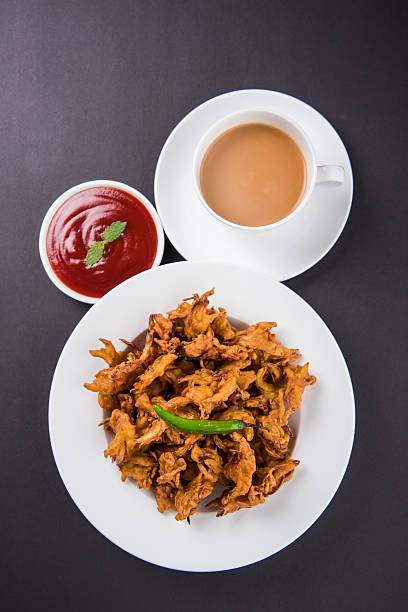
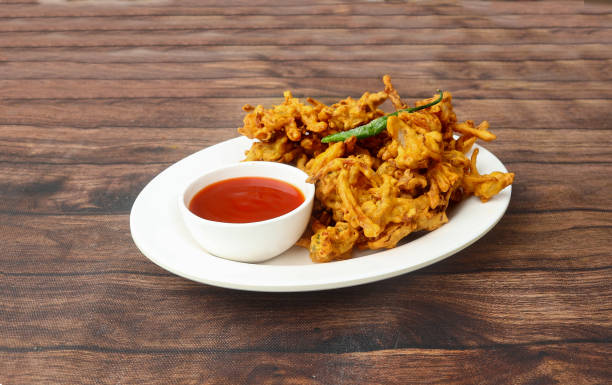
India is the country of origin for pakoras, a kind of little fritter. Typically, they are seasoned before being coated with gram flour and deep-fried. Typically, a variety of vegetables, including potatoes and onions, are used to make this delicious starter. For a non-veg version, meat can also be used.
What Is Pakora Flour?
Typically, gram flour is used to make pakoras. The more popular term for gram flour is chickpea flour. In addition to being naturally gluten-free, gram flour is frequently used in Indian cooking, which is advantageous for us.
Ingredients of Pakoras
The components of pakoras might differ greatly according to where you buy them. But the most often used components are:
- Chickpea/gram flour
- Potatoes
- Onion
- Oil
- Chili peppers
- Spices
- Herbs
Why Make Homemade Pakora?
Deep-frying anything is difficult to commit to because of all that oil. Pakoras don’t have to be deep-fried, though. They can be baked, air-fried, or shallow-fried. So, of course you can make a healthier version.
The following are a few reasons to adore pakoras cooked from scratch:
- Traditional pakoras are produced with protein-rich chickpea flour and are gluten-free.
- These pakoras can be enjoyed with your Indian cuisine.
- Prepare a big quantity and you can keep them refrigerated for two to three days.
- Serve these tasty pakoras with plum sauce or apple chutney, or enjoy them on their own.
Gluten-Free Pakora Recipe
When it comes to pakoras, it’s better to stick to a classic Indian recipe. Today, we’ll look at an Indian Healthy Recipes version that is naturally gluten-free.
Ingredients
The ingredients you’ll need for this recipe are:
- 1/2 cup of gram flour
- 1/4 cup of rice flour
- Salt to season
- 3 chopped green chilies
- 2 tablespoons of mint
- 1 tablespoon of ginger garlic paste
- 1/2 teaspoon of garam masala powder
- 1/2 teaspoon of carom seeds
- Oil (for frying)
- 3/4 cup of carrots
- 1/4 cup of bell peppers
- 1 medium onion (sliced)
- 1 cup of shredded lettuce
- 6 green beans
- 1 cup of chopped spinach
Recipe for Delicious Pakoras
Soaked And Fermented Batter
It is not necessary for the pakora batter to ferment. Still, letting it soak for at least 20 minutes will aid in the chickpea flour’s complete hydration.
Fermentation of the batter is simple because it contains cultured dairy. The complex carbohydrates in the chickpea flour are broken down with the aid of fermentation. It enhances the flavor as well, lending it a richness that is a little bit sourdough-like.
To ferment your veggie pakora batter, follow these steps:
- Combine all the ingredients for the batter in a large glass bowl. Using buttermilk instead of yogurt will help the batter ferment more effectively.
- Place the bowl on the kitchen counter for 12 to 24 hours, covered with a tea towel. Proceed with the remaining directions to prepare your pakoras.
Prepare The Veggies
Assemble all the components and make sure the veggies have been cleaned before using. After slicing the vegetables, put them in a bowl. Mix thoroughly after adding the salt, chilies, ginger, garlic, garam masala, and mint to the bowl. To release moisture, press down on the mixture. After around ten minutes, add the gram flour and carom seeds. Stir thoroughly to form a dough. If necessary, add a few drops of water.
Fry The Pakora
Once the fryer’s oil is heated, add little, flattened pieces of dough to the oil. After about a minute, turn over to cook the other side. When you take the pakoras out of the oil, they should be somewhat golden. Continue until all of the dough has been used.
Serve
After draining on paper towels to get rid of extra oil, serve as a side dish or as a snack with chutney. Enjoy!
Best vegetables to use in pakora recipe
While any vegetable can be used in pakora dishes, some are better than others. Select vegetables that are firm and not overly watery for optimal outcomes. Cabbage, French beans, onions, bell peppers, sweet potatoes, cauliflower, and broccoli are healthy choices. Other leafy greens, including spinach, can be used; just chop them finely to avoid overly moistening the pakoras.
Does Vegetable Pakora Have Gluten?
Pakoras are gluten-free since rice flour or chickpea flour are usually used to make the batter. To keep it grain-free, you may alternatively use arrowroot or tapioca starch in place of the rice flour.

Best Oil For Frying
Picking the ideal oil to fry your gluten-free vegetable pakoras depends on a few factors. The first is the oil’s smoke point, or the temperature at which it starts to smoke and degrade. The second factor is the oil’s flavor, which is influenced by its smoke point.
High smoke point oils to consider are grapeseed, canola, and peanut. Higher temperatures won’t cause these oils to degrade or smoke. If you are searching for an oil that has a neutral flavor, any of these would be an excellent option.
The kind of fat in the oil is another factor to take into account. Some people like oils like sunflower or vegetable oils that are high in polyunsaturated fats. Select the fat type that best suits your needs as each has different health benefits.
Regardless of the oil type you select, heat it gradually to prevent smoking or degradation. When it’s heated enough, add the pakoras and begin frying!
Popular Dips
Coriander and Mint Chutney: Ginger, green chili, fresh cilantro, mint, and lemon juice combine to make this cool chutney. It’s our favorite and the ideal dipping sauce for pakora.
Tamarind chutney: Jaggery, tamarind paste, and spices like cumin, coriander, and red chili powder are combined to make this sweet and sour chutney. It makes a tasty dip for pakora!
Mango Salsa: The main ingredients of this juicy salsa are fresh mangoes, tomatoes, onions, cilantro, and chili peppers. This is a very tasty dip for pakora!
Present pakoras alongside your preferred dipping sauce. Chutney, mint yogurt, and tamarind sauce are popular choices. You can also serve pakora over quinoa or rice with your preferred sauce drizzled over for a heartier supper. For a light lunch, serve pakora with a crisp salad. Use pakora in wraps with a dipping sauce for a unique spin.
The best way to enjoy these pakoras is experimenting. You can try different permutations and combinations of dips and pickles to enjoy them.
Follow this easy recipe to make restaurant-style pakoras sauce.
Conclusion
I hope that this post has provided some clarification on the subject: Does pakoras have gluten? Indian cuisine makes a great gluten-free takeaway option. Gram flour, which is inherently gluten-free, is used in the majority of their recipes. The majority of main dishes, including korma and tikka masala, are naturally gluten-free! It is advisable to consult your server prior to placing an order.
Check out this post to make chickpea flour from canned chickpeas.