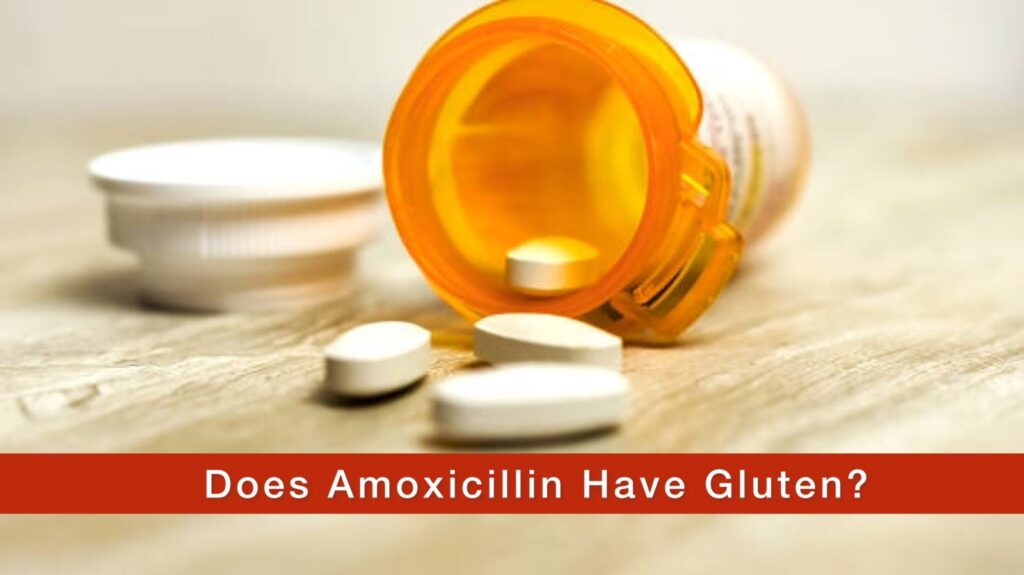
In this post, we will be discussing the question, “Does amoxicillin have gluten?”, further investigating which drugs are gluten-free and whether gluten is present in them. If you are someone who is very conscious of what you eat and drink, then you must also keep track of medications you take. It might shock you but some medications may have gluten in them. So the main question that might come to your mind are What all medications in the market are gluten-free? Does amoxicillin have gluten? Let’s look into this more thoroughly.
If your child has celiac disease, you are well aware of the importance of keeping them off gluten and avoiding cross-contamination. However, several over-the-counter and prescription medications include gluten, which you may not be aware of. But why would gluten be present in an antibiotic, etc.? The wheat starch might be used to bind inactive substances. Furthermore, as Allergic Living has pointed out, there is no official regulation requiring the labeling of non-medicinal components for gluten content, unlike packaged meals. Therefore, we need to become gluten detectives in another area so that we can keep ourselves safe.

Does Amoxicillin Have Gluten?
Typically, Amoxicillin doesn’t include any gluten containing components. In actuality, the majority of drugs are regarded as gluten-free since they don’t contain any gluten. A few kinds of Amoxicillin do, however, have a gluten-free label. Some of the main brands in this category include Apothecon, Novapharm, and Teva are these brands. It could be preferable to ask your doctor for such brands if you have celiac disease or are extremely sensitive.
But gluten is absent from the great majority of pharmaceutical drugs. However, you should see your doctor about any medication-related questions you may have, and voice any worries you may have.
Now, let’s begin with basic introduction of Amoxicillin.
What Is Amoxicillin?
One of the most widely used penicillin antibiotics is Amoxicillin. Numerous bacterial infections, such as strep throat, pneumonia, and ear/skin infections, are treated with it. Usually, it is consumed orally as a tablet or drink. We’ll look at a few of the side effects that it can have later.
Individuals with a diagnosis of celiac disease (CD) or those requiring a gluten-free (GF) diet must be mindful of possible gluten sources. In the pharmaceutical industry, the addition of excipient (filler) components to the active medication to create a specific dosage form is one of the main sources of potential gluten contamination. When a patient with Celiac disease consumes gluten, it triggers an inflammatory reaction mediated by the immune system that damages the small intestine’s mucosa. It’s crucial to limit your exposure to gluten because it just takes a tiny bit of the grain to cause this reaction.

The majority of the product is made up of excipients, which have multiple purposes. Not only can they provide volume, but they can also be used as lubricants for the powder or, in the case of starches, absorb water, which makes the tablet expand and crumble. These carbohydrates present a possible risk for gluten contamination. These excipients can be made from any source of starch, although they are mainly made from tapioca, maize, and potatoes, though wheat starch has also been reported to be present. While certain items are obviously labeled as gluten-free, most manufacturers do not include such information on the product’s packaging or package insert.
Why Would There Be Gluten In Medication?
Because gluten is an excellent binder, it may be present in medications. They do a good job of holding medication together, particularly tablets. Gluten is nearly never present in liquid medication. Although the number of gluten-containing tablets has decreased over time, it’s always advisable to see your doctor if you have any concerns about starting a new prescription.
Are Other Antibiotics Gluten-Free?
As we’ve seen, the majority of antibiotics are regarded as gluten-free because they don’t contain gluten. The number of drugs that contain wheat starch is extremely low. It will be used extremely infrequently, yet it is a rather common constituent in several drugs. But if you talk about your worries, practically all medications have gluten-free alternatives.
It’s crucial to never assume that a drug is free of gluten. Any drug you are prescribed will always come with an information leaflet. Make sure to look into this. Sadly, pharmacists are not required by law to indicate whether or not the medications they sell are gluten-free.
Even more annoying, taking antibiotics or other medications might have side effects that are a lot like those from gluten. It is important that you speak with your doctor if you encounter any side effects that seem concerning.
Warning Signs
Although wheat starch is frequently listed as an ingredient, it is obviously something to avoid. Other ingredients to be cautious of include:
- Modified starch
- Pregelatinized starch
- Pregelatinized modified starch
- Dextrates
- Dextrin
- Dextrimaltose
- Caramel coloring
Pharmaceutical companies are exempt from disclosing the source of a component, thus it might be challenging to determine whether a medication is gluten-free. Don’t worry, though; later on in this piece, we’ll examine a comprehensive list. If the ingredients’ source is mentioned, keep an eye out for wheat, barley, rye, and oats.

Check this post to find more about gluten in medications.
Gluten-Free Drug List
If you’re searching for a list of gluten-free drugs, Celiac Disease has an amazing, long list. Among the most popular drugs that are safe to take and don’t include gluten are:
- Accolate
- Advil
- Alka Seltzer
- Amoxicillin
- Ativan
- Basic Vitamins
- Benadryl
- Cefadroxil
- Clomipramate
- Clorazepate
- Cortisone
- Effexor
- Fluoxetine (ONLY Barr and Par varieties are gluten-free)
- Folic Acid
- Gaviscon
- Hydrocortisone
- Ibuprofen
- Imodium
- Lactacid
- Lexapro
- Lorazepam
- Naproxen
- Pepto Bismol
- Procaine
- Prozac
- Ramipril
- Ranitidine (Geneva, Novapharm)
- Sudafed
- Tylenol
- Vascor
- Ventolin
- Viagra
- Warfarin (Barr)
- Zoloft
This is by no means a comprehensive list; it’s simply a small sample of common drugs. It’s crucial to remember that as new drugs are always being developed, the list could not have all of the ingredients for all of the prescriptions. Should you have any questions about the new drug, your GP would be more than pleased to assist you.
It’s also crucial to remember that stopping medicine use without first talking to your doctor is risky and not advised if you encounter any of the negative effects that are stated in the pamphlet.
Over The Counter Medications
It could appear a little more intimidating when it comes to over-the-counter drugs. The chemist might be able to help, but it’s unlikely that they will be familiar with all of the chemicals and whether or not an over-the-counter drug is gluten-free. Usually, the manufacturer’s phone number or email address is listed on the box. We fully understand if you would prefer not to begin taking the medication before hearing back. Alternatively, in the interim, look for an alternative solution.
Adverse Reactions To Amoxicillin
It’s important to note that the following are the most typical adverse reactions to antibiotics, like amoxicillin:
- feeling sick (nausea)
- Diarrhea
- abdominal pain
You can see that they resemble eating gluten when you’re intolerant to it, therefore it’s important to rule out the possibility that the tablets are the source of the reaction. It is important to remember that your GP is the person who knows you the best, so please talk to them if you have any fears or concerns.

Conclusion
I hope that this post has helped to clarify the main question “Does amoxicillin have gluten?” and also aided in acquainting you with a few of the drugs that are considered safe to take without gluten. It’s not always a simple procedure, especially if you’re picking up medication for a gluten-intolerant or celiac person. However, if you are careful enough and follow a strict gluten-free diet while checking ingredients mentioned on the packages, you will be able to fight your gluten intolerance and celiac disease in a better way.
Check out this post: Are Whataburger Fries Gluten-free?