We’re going to examine unleavened bread today and the main questions surrounding it like “What is Unleavened bread?” “Does unleavened bread have gluten?” We’ll also discuss a simple easy-to-follow recipe to make gluten-free unleavened bread at home.
If you are sensitive to gluten, you might bolt at the mention of “bread.” Bread is probably the food you’ve been cautioned to stay away from the most because it is known to contain wheat. But first, let’s examine unleavened bread to see if it’s healthy for us.

Does Unleavened Bread Have Gluten?
The answer is sadly, yes.
As mentioned earlier, wheat and all-purpose flour are the most frequently used Both flours can be used to make flatbread; they are not gluten-free. This is why traditional flatbreads are generally inappropriate for those with celiac disease. Unfortunately, a lot of recipes are very readily modified to fit our way of living. However, compared to other flours, wheat and all-purpose flour are more affordable and readily available.
Now that you know the answer to “Does unleavened bread have gluten?” let’s discuss what is Unleavened bread and how to make it easily at home
What Is Unleavened Bread?
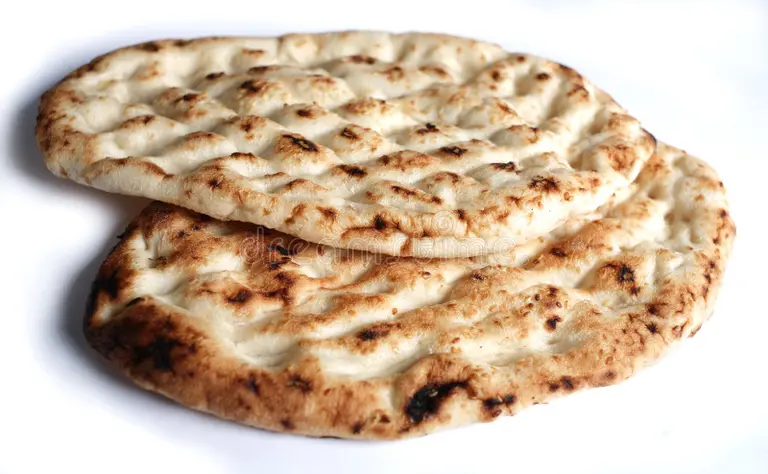
A variety of breads that are made without the use of raising agents like baking powder or yeast are referred to as unleavened bread. But chances are, you’re more familiar with these breads by their more widely recognised moniker, flatbreads. Bread needs leaven to rise, which explains why unleavened bread isn’t fluffy.
When cooking, there are four different kinds of raising agents. These are the following:
- Egg whites, creaming, rubbing in, and beating in
- Steam: Yorkshire pudding, choux pastry and profiteroles
- Baking powder, self-raising flour, and yeast fermentation all include carbon dioxide.
- Chemicals: baking powder, bicarbonate of soda
This implies that none of the loaves we’ll be discussing today’s recipes call for any of the ingredients listed above. There are a wide range of flatbreads available. Some of these include:
- Matzo (Jewish flatbread)
- Lavash (Armenian flatbread)
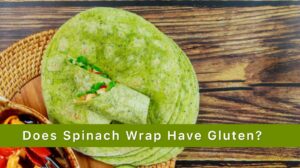
- Tortilla (Mexican flatbread)
- Roti (Indian flatbread)
- Kitcha (Ethiopian flatbread)
- Bannock (British Isles flatbread)
- Arepa (South American flatbread)
- Rieska (Finnish flatbread)
- Bataw (Egyptian flatbread)
Matzo, tortilla, and roti are the ones we’ll be looking at in more detail a little later in this post.
The ingredients of leavened and unleavened bread are nearly the same, except for the raising agent. It’s crucial to keep in mind that while many flatbreads are unleavened, not all of them are. For instance, the rising agents in pizza dough and pita dough cause them to be leavened breads. Though that isn’t always the case, they are typically crisp and firm.

Health Benefits of Unleavened Bread
There are a number of health advantages to eating unleavened bread. It is a better option for individuals watching their intake because it has less calories and carbs than ordinary bread. Its high fibre and protein content also helps you feel fuller for longer.
Additionally, unleavened bread is beneficial to your digestive system. It contains vital vitamins and minerals because it is made of whole grains. Additionally, whole grain breads may help lower cholesterol and regulate blood sugar.
When it comes to gluten-free diets, unleavened bread becomes the preferred choice. You can avoid any digestive issues linked to gluten by avoiding wheat.
Is It Possible to Make Gluten-free Bread?
Yes, is the response! Like most modern foods, flatbread may be made healthy for us by just substituting one or two ingredients. Excellent alternatives include rice flour, corn masa, and gluten-free all-purpose flour. Let’s examine the available possibilities, regardless of your preference for homemade or store-bought.
Now let’s look at the recipe for gluten-free, unleavened bread. Since unleavened breads have so few components, it might be simpler to attempt preparing this at home. The only ingredients you really need are gluten-free flour, salt, water, and oil, all of which you most likely already have in your cupboard.
For handmade tortillas, I’ve found a terrific unleavened flatbread recipe. This dish may be modified to suit any diet and is also dairy-free and vegan. Make sure to try this dish since it can be created in only five minutes.
Recipes: How to Make Unleavened Bread at Home
Making your own unleavened bread is easy and satisfying. This is a simple recipe for matzo, a popular kind of unleavened bread:
Ingredients
- 1 cup flour
- 1/4 teaspoon salt
- 1/2 cup water
Directions
- Mix the flour and salt together in a big bowl.
- Stir in the water until well blended.
- Work the dough for about ten minutes, or until it comes together into a ball that is elastic and sticky at the same time.
Check this post to make easy gluten-free bread at home.
Tips for Incorporating Unleavened Bread into Your Diet
It’s simple and fun to include unleavened bread in your diet. The following advice will help you get started:
- For sandwich creation, use tortillas or chapatis instead of ordinary bread.
- For increased nutritional value, use whole grain flours in your handmade unleavened bread.
- Look into ideas for a wholesome snack or dinner that use components like seeds, almonds, and dried fruit.
- Try varying the flavours and spices to improve the flavour of your unleavened bread.
- Savour it with a range of sides, including cheese, meats, fruits, and veggies.
To maintain freshness, store your unleavened bread in an airtight container.
Religion is heavily reliant on unleavened bread, particularly on the Jewish holiday of Passover. For instance, during Passover, leavened items are prohibited. This is to honour their liberation from Egyptian servitude.
Identify the Ingredients
Numerous ingredients might be utilised, depending on the kind of flatbread you’re cooking. The basic ingredients are often wheat, salt, water, and sometimes oil. Yes, it is that easy to do! Another word of caution for those who are gluten intolerant is flour. While there is a large variety of flour available, wheat flour or all-purpose flour is the most easily accessible option.
Shop-Bought Unleavened Bread
Tortilla
Probably the most well-known type of unleavened bread is tortilla. Usually, stews and meats are served with it. There is a fantastic assortment of gluten-free flatbread offered at Mission. There is something for everyone, including almond flour wraps, cauliflower wraps, and gluten-free tortilla wraps. Also, each of these goods has a gluten-free certification. Additionally, there are some fantastic recipes there that are well worth looking through.
Look no farther if you’d rather have tortilla chips than a tortilla wrap. There are several flavours available for the Better Chip, including kale, beet, jalapeño, and sweet potato plantain.
Matzo
A staple of Jewish food, matzo is consumed throughout Passover. A wonderful substitute for oats without gluten is Lakewood Matzoh. It only has two ingredients: water and oat flour that has been certified gluten-free! Yehuda Matzos offers gluten-free matzo-style squares manufactured from tapioca and potato starch if, like me, you have a separate oat allergy.
Roti
Chapati is a type of roti that is a staple dish in India. It originated there. It is frequently served with stews or curries. They’re puffy, airy, and incredibly tasty. Using rice flour instead of the conventional wheat flour, Haldiram Bread provides a frozen gluten-free chapati.

Conclusion
Hopefully, the post has answered your question: “Does unleavened bread have gluten?” In conclusion, it’s simple to make and reasonably easy to find gluten-free flatbread.
Around the world, unleavened bread is a staple food. Most people refer to it as flatbread, but other names for it include tortilla, chapati, fried bread, lavash, matzo, and roti. As a result, these can be found in most nations, civilizations, and religious contexts. In actuality, this bread is frequently made into communion bread. These fundamental recipes are all essentially the same; they all call for flour and water. Now that Passover has begun, this is this week’s bread.
As always, however, finding delicious meals in the gluten-free world is much harder for us, particularly when it comes to bread of any kind. On the other hand, the world of gluten-free bread options is undoubtedly progressing.
Check other posts:
Does Lays BBQ Chips Have Gluten? 6 Brands That Sell Delicious Gluten-free Chips